

This month, we’re excited to welcome two fantastic new colleagues Mel Stewart and Piero Amand to the AgeNet Working Team!
Mel will be driving AgeNet news across our website and social media channels, while Piero will be supporting essential behind-the-scenes work, including members’ profiles, publication lists, and AgeNet guides and repositories.
They’re now jumping into the AgeNet communications buzz, with previous AgeNet Comms supporting in these transition. Stay tuned for more updates and fresh energy coming your way!
To get in touch with with AgeNet Comms, just drop them an email at ageneteasa@gmail.com or DM on social media or the emails displayed below.
Melanie Stewart
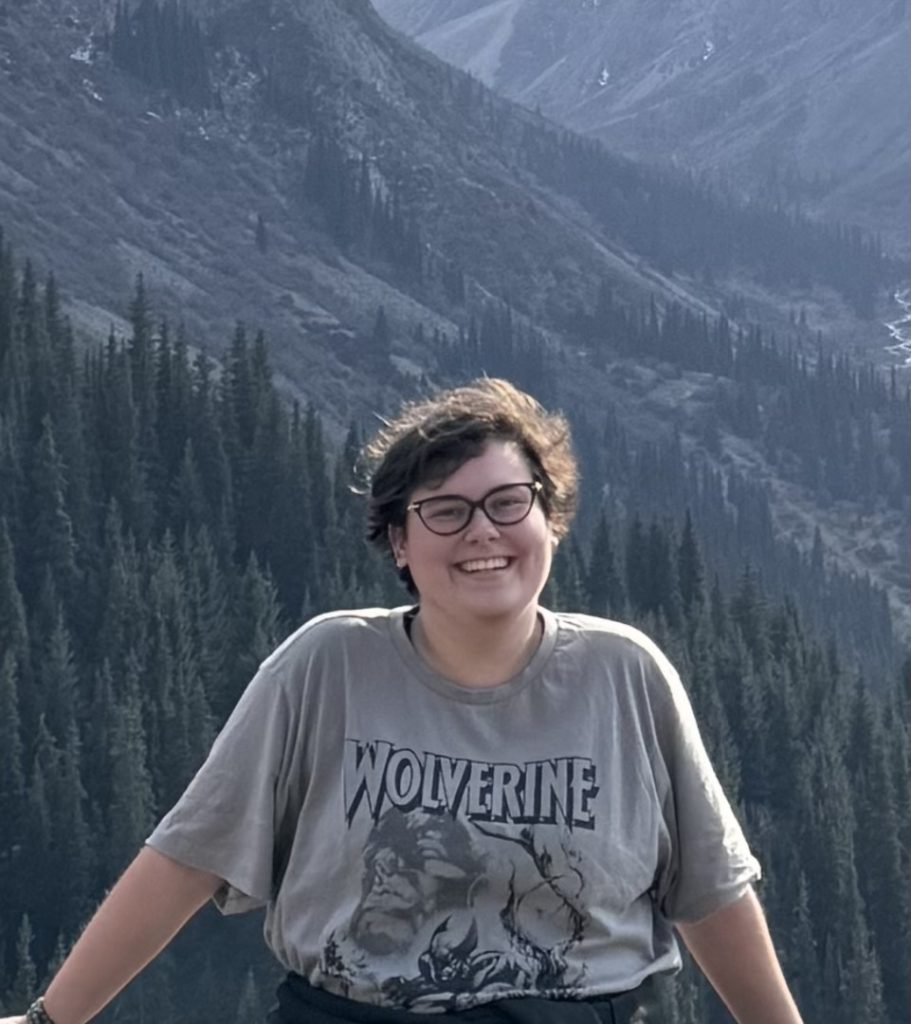
Mel is a master’s student in Social Anthropology at the University of Copenhagen, originally from the UK. Her research interests focus on medical stewardship, pharmaceuticals, and anthropologies of care.
Her current research examines the social life of antibiotics in Kyrgyzstan. Using ethnographic and multimodal methods, including interviews, participant observation, and a collaboratively developed game, she explores how antibiotics are accessed, understood, and used in everyday care practices. The game serves as a shared space for mapping the social realities of antibiotic use and for facilitating the circulation of forms of knowledge that are typically unevenly distributed, through which participants articulate experiences, interpretations, and decision-making processes surrounding antibiotic use. Her work is concerned with documenting how historical medical legacies and social relations shape contemporary practices of medical stewardship.
email: melliejoe[at]outlook.com
Piero Amand
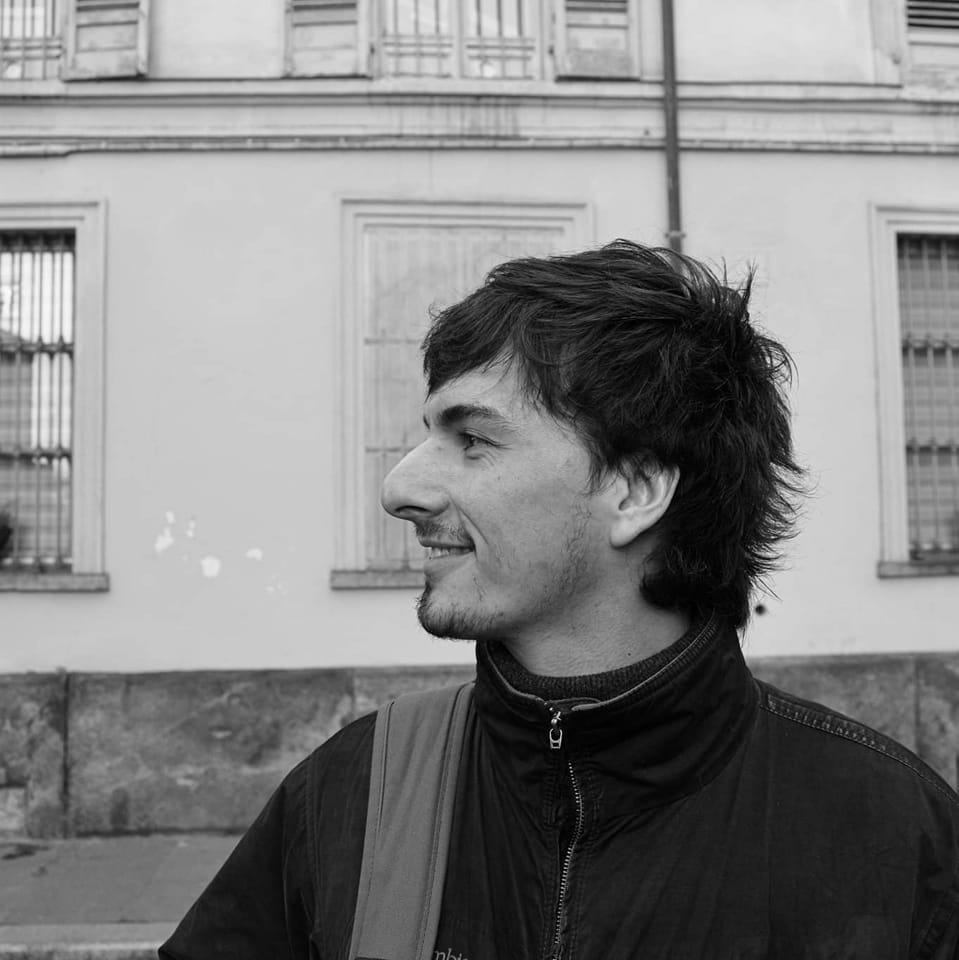
Piero holds a degree in anthropology from the Catholic University of Louvain, Belgium, and is currently a doctoral student in anthropology at the University of Ottawa, Canada. His master’s thesis (2024) focused on community intervention with men who have sexually abused minors in Quebec. He was particularly interested in how their narratives, identities, and trajectories are reconfigured through their interactions with other perpetrators of sexual abuse, with social workers, the penal system, and their relatives. As part of his doctoral studies, he is developing an ethnographic research project on the phenomenon of running away among children and adolescents on the border between Quebec and Ontario. At the intersection of the anthropology of childhood and political anthropology, his thesis aims to understand the knowledge that young people acquire through their experiences of running away, the practices of mutual aid that punctuate this experience, the role of running away in their trajectories, and the spatial dimension of escape. More broadly, he is interested in the practices of resistance and freedom of children and adolescents in the face of age-related power relations.
email: paman038[at]uottawa.ca