Spiritual Archaeo-Tourism in Sardinia
29 Jul 2026
Sabina Magliocco
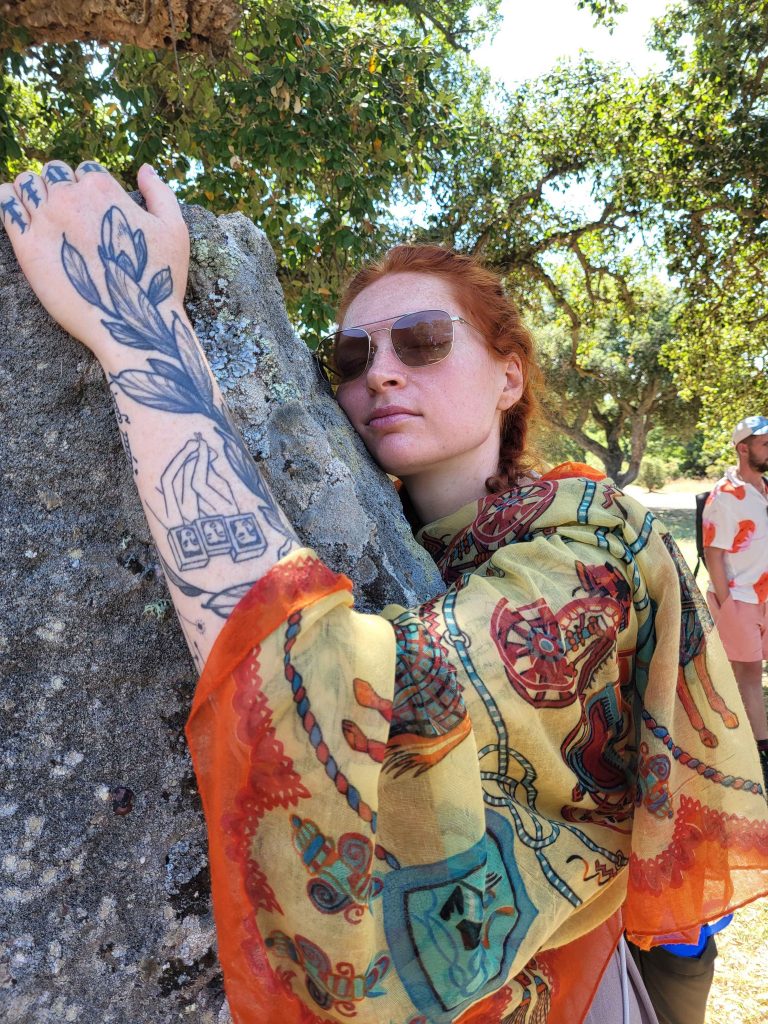
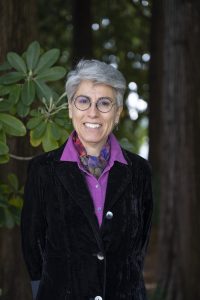
The new post of the CSP blog is out! Read it here: the article examines spiritual archaeo-tourism in Sardinia, an Italian island rich in archaeological heritage dating from the early Neolithic to the late Roman and early Christian periods. Sardinia’s remarkable examples of dry-stone architecture and engineering are set against stunning Mediterranean landscapes, making them compelling attractions for tourists and spiritual seekers. Spiritual archaeo-tourism involves eclectic, individualised ritual practices at heritage sites, including activities such as sensing and absorbing the energy of the stones, leaving offerings, and theatrical rituals with costumes, drumming, and music. The purpose of the practices is to connect with the site’s past history and receive physical or energetic healing: stones are thought to be imbued with energy or vibrations that can be transmitted to the human body in order to achieve a healing effect.
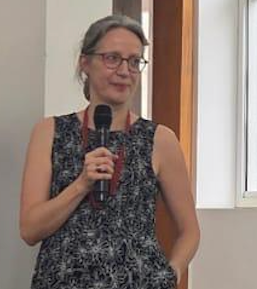
Géraldine Mossière
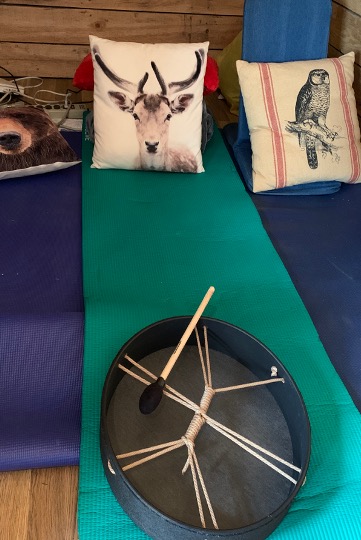
Check the most recent post of the Contemporary Spirituality Practices blog, this time exploring how neo-shamanic practices reconfigure human-animal relationships. Through ethnographic inquiry, it examines multispecies entanglements, care, and ritual as responses to ecological challenges in the Anthropocene.


Alessandro Testa
The Czech Republic may well be one of the most secularized countries in the world, but a closer ethnographic look reveals multiple forms of religiosity and spiritual practice on the rise. Altogether, these new forms may well outnumber the sum of Christian denominations in Czechia. In the most recent post article of the CSP blog, Alessandro Testa hints at often overseen but nevertheless increasingly significant dynamics shaping the contemporary Czech spiritual landscape: the rise of non-communal and non-traditional collective ritual life as well as multiple other expressions of “churchless faith”, beliefs in God, transcendence and “energies” of various sorts along with movements framing themselves as parody or protest religions.


Joana Martins
Contemporary Paganism in Portugal is highly gendered and focused on nature’s celebration. For many women in these movements, ritualistic collective spaces provide a sense of community and understanding before personal and collective concerns. Interconnection with nature and with each other is central to their psychological, physical, spiritual and emotional healing. In this short article, it is brought a discussion among the members of an informal Portuguese pagan group focused on reconstructing Sumerian, Phoenician and Iberian religious practices. This discussion, that started about personal well-being and healing itineraries, led to a debate on gender roles and expectations. From there, one can conclude that while celebrating nature’s cycles and focusing on interconnectedness, they express their identities, navigate their gender roles, and reflect on the broader sociopolitical context. It shows that their personal and collective motivations and concerns extend beyond religious and spiritual considerations.