
Convenors
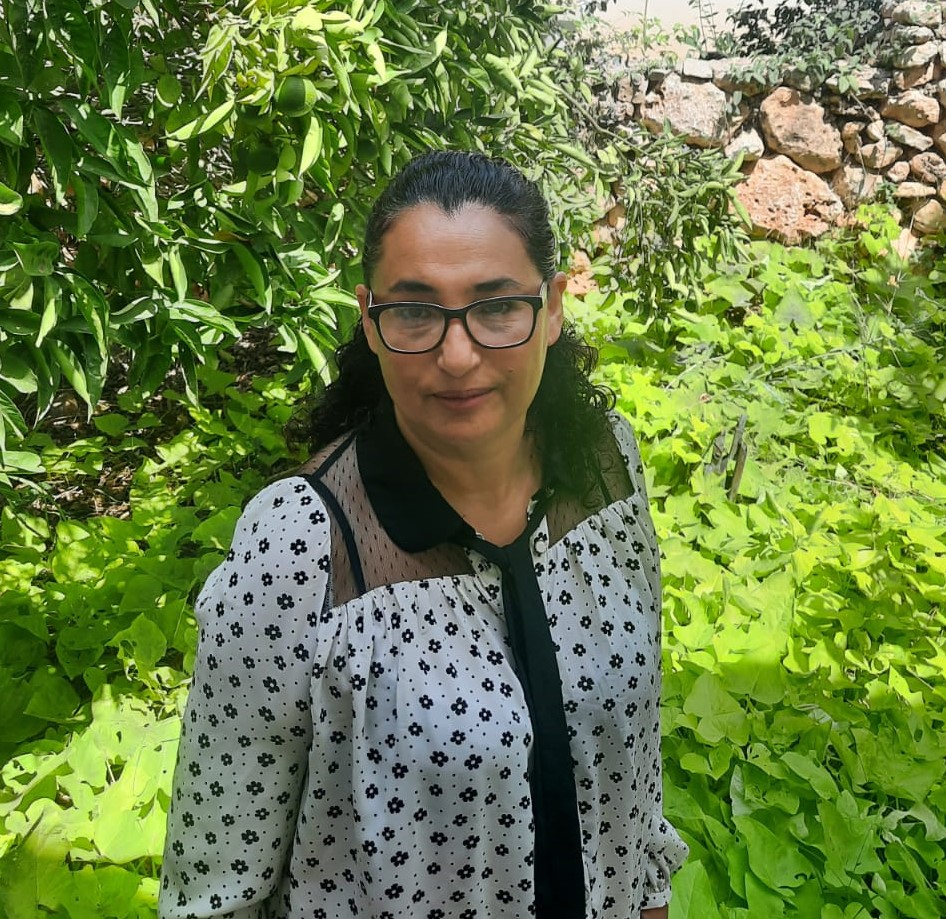
Livnat Konopny-Decleve
The School of Social and Political Science, The University of Edinburgh
apecs_convenors(at)easaonline.org.
Livnat Konopny-Decleve is a British Academy International Fellow at The School of Social and Political Science at The University of Edinburgh. She is a political anthropologist working on the Jewish radical left, and on alternative political imagination in Israel/Palestine and abroad. Livnat received her PhD from the Department of Sociology and Anthropology at Tel Aviv University (2022), and was a Postdoctoral Fellow at the Leonard Davis Institute for International Relations at The Hebrew University of Jerusalem (2023)

Pascale Schild
Institute of Social Anthropology, University of Bern
apecs_convenors(at)easaonline.org
Dr. Pascale Schild is a social anthropologist interested in political anthropology, feminist theory, and critical peace and conflict studies. Her regional focus is on Jammu and Kashmir and the transnational Kashmiri freedom struggle.
Pascale is Senior Researcher and SNSF Ambizione Fellow at the Institute of Social Anthropology at the University of Bern, where she leads the research project ‘Affective Solidarities: Transnational struggles and the making of sovereign futures from occupied territories’. She holds a PhD in Social and Cultural Anthropology from LMU Munich. Before joining the Institute in Bern, she was a visiting researcher at the South Asia Institute at SOAS, University of London (2020-2023), and at swisspeace, University of Basel (2024-2025). She held teaching positions at the University of Bern, LMU Munich, and the University of Basel. Her work has appeared in Citizenship Studies, Anthropology and Humanism, and Contemporary South Asia, among other journals and edited volumes. She is co-editor of the special issue ‘In/Civility in Peace and Conflict’ in Peacebuilding.